
Discover The Latest Blogs
Stay updated with Our Informative Blog Posts
What a Nursing Home Taught Me About Strength Training - Claire Currie
What a Nursing Home Taught Me About Strength Training
I split my life in half right now. Half of it lives in the gym, chasing PRs and trying to get as jacked as possible. The other half lives in a nursing home, as a physical therapist, watching what happens to a body that spent decades sitting still.
Those two halves don't usually talk to each other. But lately, they won't stop.
The pattern I can't unsee
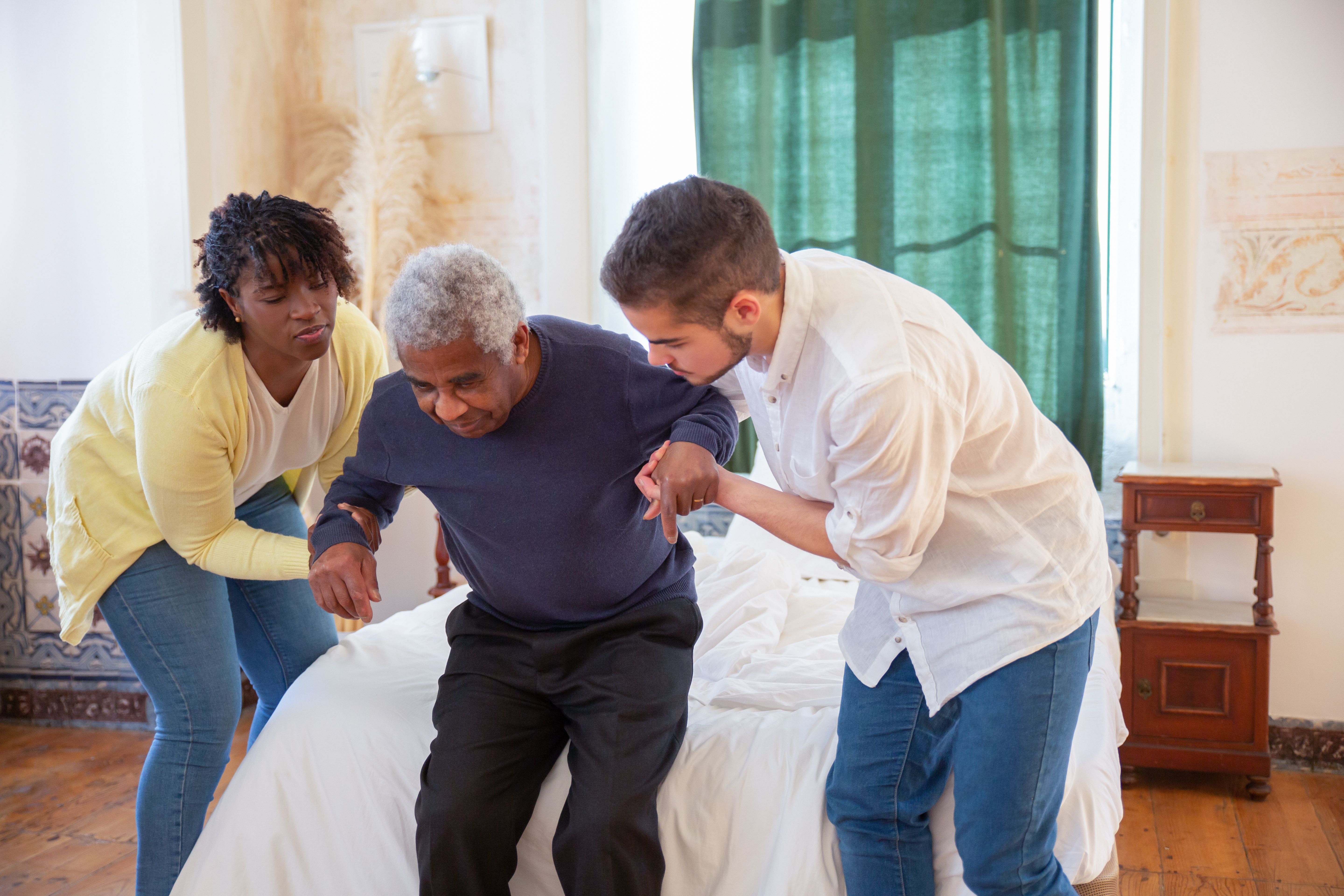
Every single day I work with patients in their 60s, 70s, and 80s who cannot stand up off the toilet without help. Not because they're sick. Because their legs are too weak to carry them.
And then, in the same building, on the same day, I'll work with a patient in their 90s who gets up off the floor by themselves, walks the hallway unassisted, and needs nothing from me but a stimulating conversation.
The difference isn't the number of candles on their birthday cake. It's what they did with their bodies in the decades before I ever met them. The ones who stayed active - walking, hiking, lifting, doing yoga, or just staying on their feet and moving through their days - are the ones who are still independent now. The ones who didn't, aren't.
I've known intellectually that strength training matters for longevity for years. Seeing it play out, patient by patient, in real time, is a different thing entirely. It's made training feel a lot less like a hobby I'm passionate about and a lot more like something closer to insurance. Because that's what it is.
This isn't about becoming a gym person
Here's the misconception I want to clear up, especially for anyone reading this who has never set foot in a weight room: strength training for longevity has nothing to do with lifting heavy for the sake of lifting heavy, or turning into a "meathead." It's about preserving the ability to do ordinary things for as long as possible. Getting off the floor. Getting out of bed. Carrying your own groceries. Playing with your grandkids on the ground and getting back up again without help. Using the bathroom independently for as long as your life allows.
Those aren't small things. They're the whole of what quality of life means once you're past the point where anything is guaranteed.
What the research says
This isn't just an anecdote from one PT's caseload. Age-related muscle loss - sarcopenia - is one of the most consistently documented threats to independence in older adults, and it's tied directly to reduced mobility, higher fall risk, and loss of the ability to live independently.
The research on the other side of that is just as consistent: resistance training is one of the few interventions shown to meaningfully counteract it, improving muscle mass, strength, and physical function even in adults who start well into their sarcopenic years.
Multiple recent systematic reviews and meta-analyses have reinforced the same conclusion: resistance training isn't just protective; it's one of the more effective tools we have for preserving the kind of functional independence that lets someone stand up from a toilet, a chair, or the floor without help.
The muscle you build at 35, 45, or 55 doesn't just serve you now. It's the account you're drawing from at 75 and 85.
"Health is wealth" is not a platitude
I used to hear that phrase and nod along politely. Working in this nursing home has made it feel less like a saying and more like a fact I watch confirmed every single shift. When you lose your health, everything else gets harder to access - your independence, your time with people you love, your ability to just live your life on your own terms. Strength is one of the few things you actually get to bank in advance.
This is really the whole philosophy behind how we coach at MAP. We don't believe in chasing progress at the cost of longevity, because progress that costs you your longevity was never progress at all - it was a temporary trade. Whether someone's goal is to step onto a competitive stage or simply stay strong enough to keep gardening into their 80s, the underlying training principles are the same: build strength deliberately, sustainably, and with the decades ahead in mind, not just the weeks ahead.
If you're in the middle of your life right now
If you're in your 30s, 40s, or 50s and strength training has never felt urgent, I'd ask you to borrow my perspective for a second. You are, right now, building the body you'll be living in at 70. Not metaphorically - literally. The muscle mass and strength you carry into your later decades is largely determined by what you did with your body in the decades before. Starting now, with something as simple as two or three days a week of resistance training, isn't about chasing a physique. It's about buying yourself options later - the option to still get up off the floor, still travel, still be the grandparent who can get down and play.
You don't have to love the gym the way I do. You just have to show up for it, on your own terms, consistently enough to count. Your 90-year-old self will be the one who knows whether you did.
If you're ready to start training with your longevity in mind - not just your next goal, but the next several decades - that's exactly the kind of coaching relationship we build at MAP. Reach out today at www.masterathletic.com
Claire Currie
Coach, Master Athletic Performance