
Discover The Latest Blogs
Stay updated with Our Informative Blog Posts
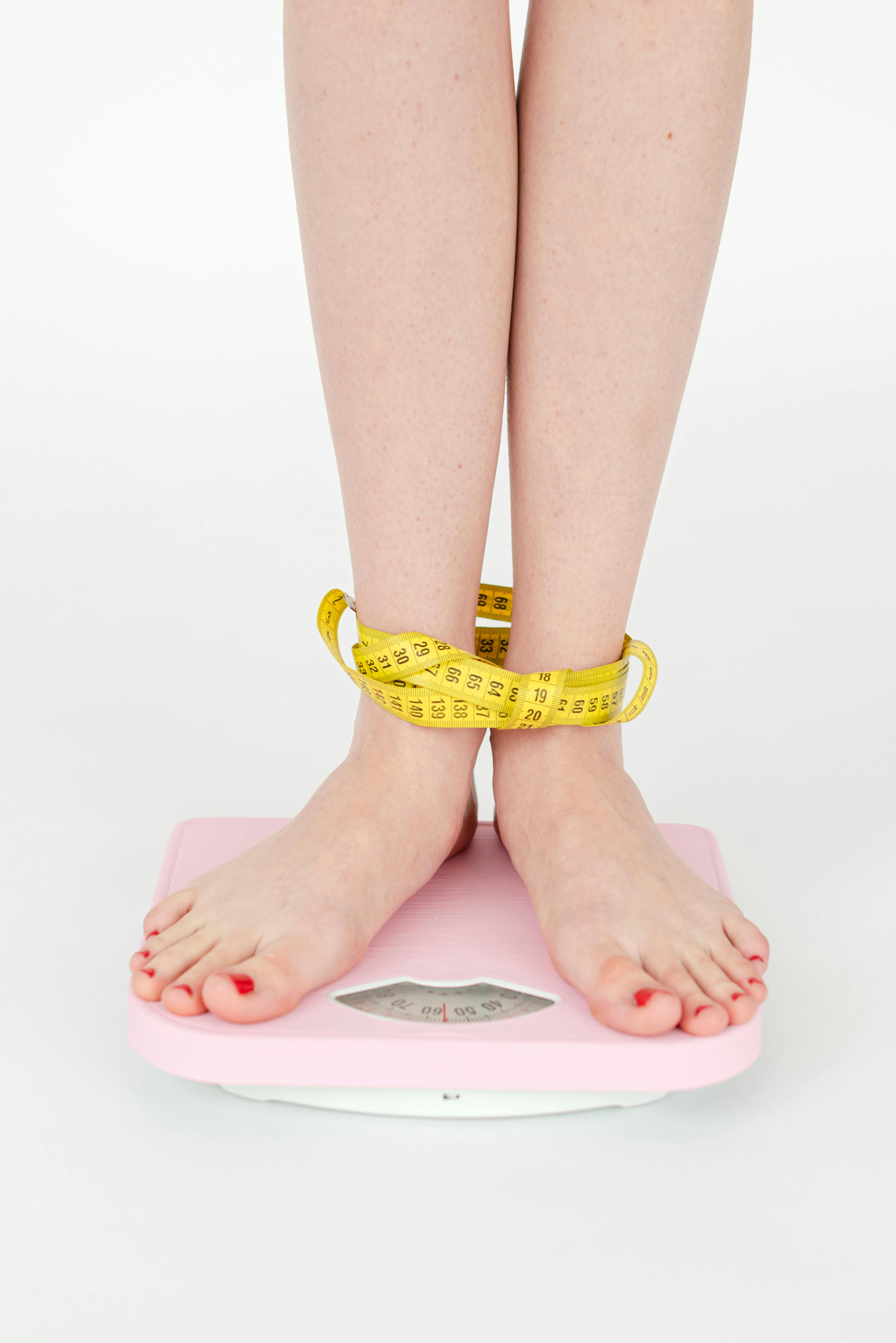
Your Weight Fluctuated 4 Pounds Overnight. Here's the Math - Paul Oneid
Your Weight Fluctuated 4 Pounds Overnight. Here's the Math
A client asked me how to stop his weight from fluctuating multiple pounds between daily weigh-ins. His assumption was that something in his approach was creating instability that needed correction.
The actual answer: you can't stop it, and trying to is a fundamental misunderstanding of what the scale measures.
Daily weight fluctuation isn't a signal that something's wrong. It's confirmation that you're a biological system with water, digestion, and metabolic processes that create predictable variance.
Let me show you the math.
Water Weight: The Primary Driver
Two litres of water weighs 4.4 pounds. Not approximately—exactly. Water has mass, and when you consume it, that mass temporarily becomes part of your body weight.
If you weigh yourself in the morning after urinating, then drink two litres throughout the day without equivalent fluid loss through urination and perspiration, you'll weigh 4.4 pounds more. This has zero relationship to fat gain or muscle loss.
I tracked this during a 70-minute ruck walk. Pre-walk weight, post-walk weight after removing gear and clothing: four pounds lighter. That's water loss from sweating and breathing, not tissue change.
Your hydration status fluctuates daily based on intake, sodium consumption, training intensity, ambient temperature, and a dozen other variables. Each of those variables shifts your scale weight independently of changes in body composition.
Digestion: Food Has Mass
When you eat, that food occupies space in your digestive system until it's processed and eliminated. A large dinner consumed at 8 pm hasn't fully cleared your system by 6 am for your weigh-in.
This isn't about the caloric content. It's about the physical mass of food and liquid moving through your gastrointestinal tract. A 400-gram meal weighs 400 grams regardless of whether it's chicken and vegetables or pizza.
Late meals shorten the fasting window before your morning weigh-in, leaving more unprocessed food mass. Earlier meals give your digestive system more time to process before you step on the scale.
Neither scenario reflects actual fat change. Both influence what the scale displays.
Glycogen: Carbohydrates Hold Water
Muscle glycogen storage binds water at roughly a 4:1 ratio. When you consume carbohydrates, particularly after depletion from training, your muscles store glycogen and the associated water.
A higher-carbohydrate day can increase glycogen stores and water retention by several pounds without any change in body fat. A lower-carbohydrate day depletes these stores, showing a scale drop that also doesn't reflect fat loss.
This is why dramatic "weight loss" happens in the first week of aggressive calorie restriction or why people see dramatic initial weight drops while eating a keto diet. You're just depleting glycogen and shedding water, not burning five pounds of fat in seven days.
The Only Metric That Matters
My client's weight fluctuated daily by 2-4 pounds. Looking at individual weigh-ins, progress appeared chaotic and unpredictable.
Looking at the trend line over 90 days? Ten pounds down with clear, consistent downward movement.
The trend is the signal. Daily fluctuations are noise.
This client's weight had been relatively stable for a year. Then he committed to consistent tracking and adherence for three months. The result was unambiguous: a sustained calorie deficit leads to fat loss, and the trend line proves it.
But if he evaluated progress based on day-to-day scale changes, he'd have concluded the process wasn't working dozens of times during that period.
What Derails People
You weighed 180 on Monday morning. You train hard, hit your macros, and sleep well. Tuesday morning: 182.
The high-achiever response is often: "Something is wrong; I need to fix this; I must have miscalculated somewhere."
The actual situation: you had a later dinner on Monday, consumed more sodium than usual, drank more water before bed, and didn't urinate during the night. None of those factors indicates fat gain, but all of them shift scale weight.
Then you overcorrect. You drop calories aggressively, add cardio, and increase restriction. Now you're making decisions based on noise instead of signal, and you've introduced additional variables that make trend analysis even harder.
The Framework
Weigh yourself daily under identical conditions—same time, same hydration status, after urinating, before consuming anything.
Record the number without judgment or emotional reaction. It's data, not validation.
Track the trend over 14-30 days. That window smooths out the noise from water, digestion, and glycogen fluctuation.
If the trend moves in your intended direction, your process works. If it doesn't, your process needs adjustment.
Individual weigh-ins mean nothing. The pattern over time means everything.
Apply This
Stop asking how to eliminate daily weight fluctuation. You can't, and it doesn't matter.
Start asking whether your trend line over the past month reflects progress toward your goal.
If yes, the day-to-day variance is irrelevant. If no, adjust calories or activity and reassess in another 30 days.
The scale measures everything, which means any single measurement means almost nothing. The trend is the only honest assessment you have.
Stay Strong,
Paul Oneid, MS. MS. CSCS
Founder and Head Coach