
Discover The Latest Blogs
Stay updated with Our Informative Blog Posts
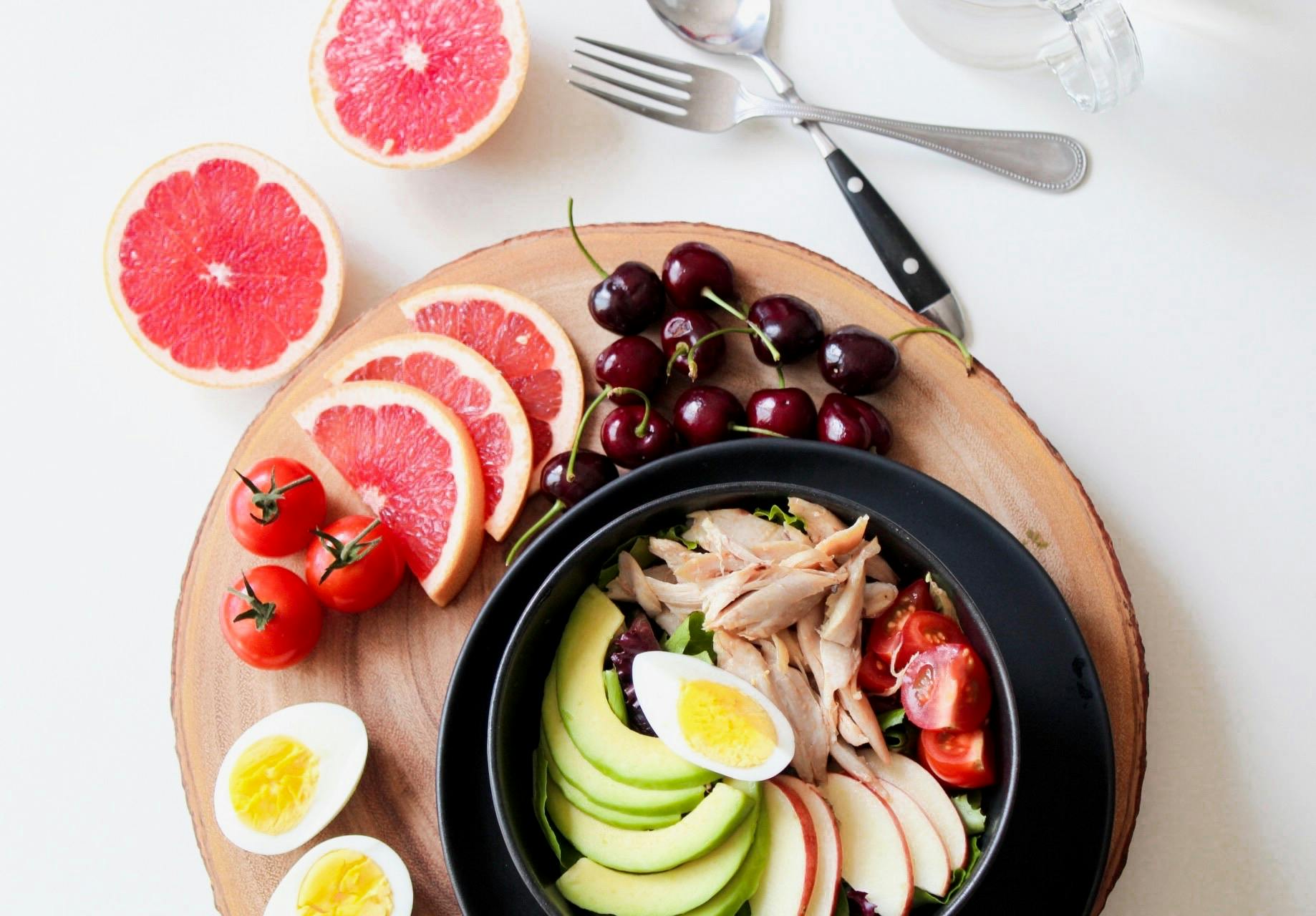
Why Your Body Stores vs. Builds — The Story Behind “Nutrient Partitioning” - Olivia Oneid
Why Your Body Stores vs. Builds — The Story Behind “Nutrient Partitioning”
Nutrient partitioning decides whether your calories go toward muscle, energy, or fat. Here’s how we optimize it.
If you coach with me long enough, you’ll eventually hear me say: “We’re optimizing nutrient partitioning.”
And most people nod as if they get it…, but internally they’re thinking, “Okay, Liv, but what does that actually mean?”
So let’s break it down in a way that actually clicks.
What is nutrient partitioning?
It’s basically your body’s decision-making system:
When you eat food, where does it go?
Does it get stored as fat?
Used to build muscle?
Burned for energy?
Shuttled into recovery?
Nutrient partitioning is the process that determines how efficiently your body uses the calories you provide.
Good nutrient partitioning = more nutrients going toward muscle + performance
Poor nutrient partitioning = more nutrients ending up in fat storage + inconsistent energy
This is why two people can eat the same amount of calories and look or feel completely different. Their bodies areusingthose calories differently.
Why coaches care about this so much
Because if we can improve nutrient partitioning, we can help you:
Build muscle without needing a huge calorie surplus
Stay leaner while eating more food
Recover faster
Reduce inflammation
Improve training quality
Stop riding blood sugar waves all day
Better nutrient partitioning = better physique and better performance with less metabolic “drag.”
This is what everyone thinks supplements do, but really, your habits and physiology do most of the work.
How do we improve nutrient partitioning?
Here are the big levers I use with clients:
1. Increase energy expenditure (movement, training, lifestyle)
When you move more, you create a “sink” for glucose and nutrients.
That doesn’t mean running marathons.
It means:
Quality strength training
Walking
Hitting steps
Some conditioning work
Actually using the muscles you want to grow
A body that moves handles food better than a body that’s sedentary. Always.
2. Improve insulin sensitivity
This is a huge one.
The more insulin-sensitive you are, the better your body is at directing nutrients into the muscle cell instead of storing them as fat.
How do we improve insulin sensitivity?
Strength training
Keeping steps high
Getting enough sleep
Managing stress
Not eating like an unsupervised toddler at night
Balancing meals with protein + fiber + carbs + fats
Simple habits. Massive impact.
3. Add moderate cardio (the right way)
Cardio improves nutrient partitioning by increasing mitochondrial density, improving blood flow, and enhancing glucose uptake.
But moderate is the keyword, especially if hypertrophy is the goal.
Moderate =
2–4 sessions per week, 20–30 minutes
Zone 2 or a controlled conditioning piece
Enough to improve aerobic capacity, not enough to interfere with training or recovery
This helps your body become more efficient at using fuel without digging you into a fatigue hole.
4. Build muscle (the ultimate nutrient sink)
The more muscle you have, the more places you can store glycogen.
The more glycogen you can store, the better you handle carbs.
The better you handle carbs, the better your nutrient partitioning.
Muscle is metabolic real estate.
5. Reduce stress + regulate the nervous system
Chronically elevated cortisol worsens nutrient partitioning. Your body becomes more insulin-resistant, cravings go up, sleep gets wrecked, and recovery tanks.
This is why I’m constantly checking:
Sleep quality
Hunger signals
Mood
Recovery markers
Training performance
Caffeine intake
Your stress “load”
You can’t out-train a dysregulated nervous system. Your physiology will show it.
6. Eat nutrient-dense, balanced meals
Macros matter, yes. But quality matters too — micronutrients, antioxidants, fiber, polyphenols.
These improve:
Blood sugar response
Inflammation
Digestion
Mitochondrial function
Which all directly support better nutrient partitioning.
Your body can’t partition what it doesn’t have the tools to process.
7. Stop living at either extreme
Chronically overeating?
Poor partitioning.
Under-eating?
Also, poor partitioning — because stress hormones go up, muscle protein synthesis goes down, and your body becomes more “protective” with energy.
The sweet spot is fueling properly and training hard enough to put those calories to work.
The takeaway
Optimizing nutrient partitioning isn’t about hacks. It’s not a supplement stack. It’s not magic.
It’s teaching your body to use food better, not just store it. And when we do this well, everything gets easier:
You look better.
You feel better.
You train better.
You eat more.
You recover faster.
And your progress stops feeling like an uphill battle.
If you want help building a plan that actually improves nutrient partitioning instead of just hoping your metabolism cooperates, book a call with me or one of our coaches at www.masterathletic.com, and we’ll help you figure out your next step.
Olivia Oneid
Coach, Master Athletic Performance