She Thought She Might Not Make It to Military Training - Nat Galloway
She Thought She Might Not Make It to Military Training
How a 44-year-old woman went from questioning whether she could attend CAF BMOQ to arriving prepared and holding her own against candidates half her age.
Imagine spending months preparing for something you've wanted to accomplish, only to find yourself questioning whether you'll even make it to the starting line.
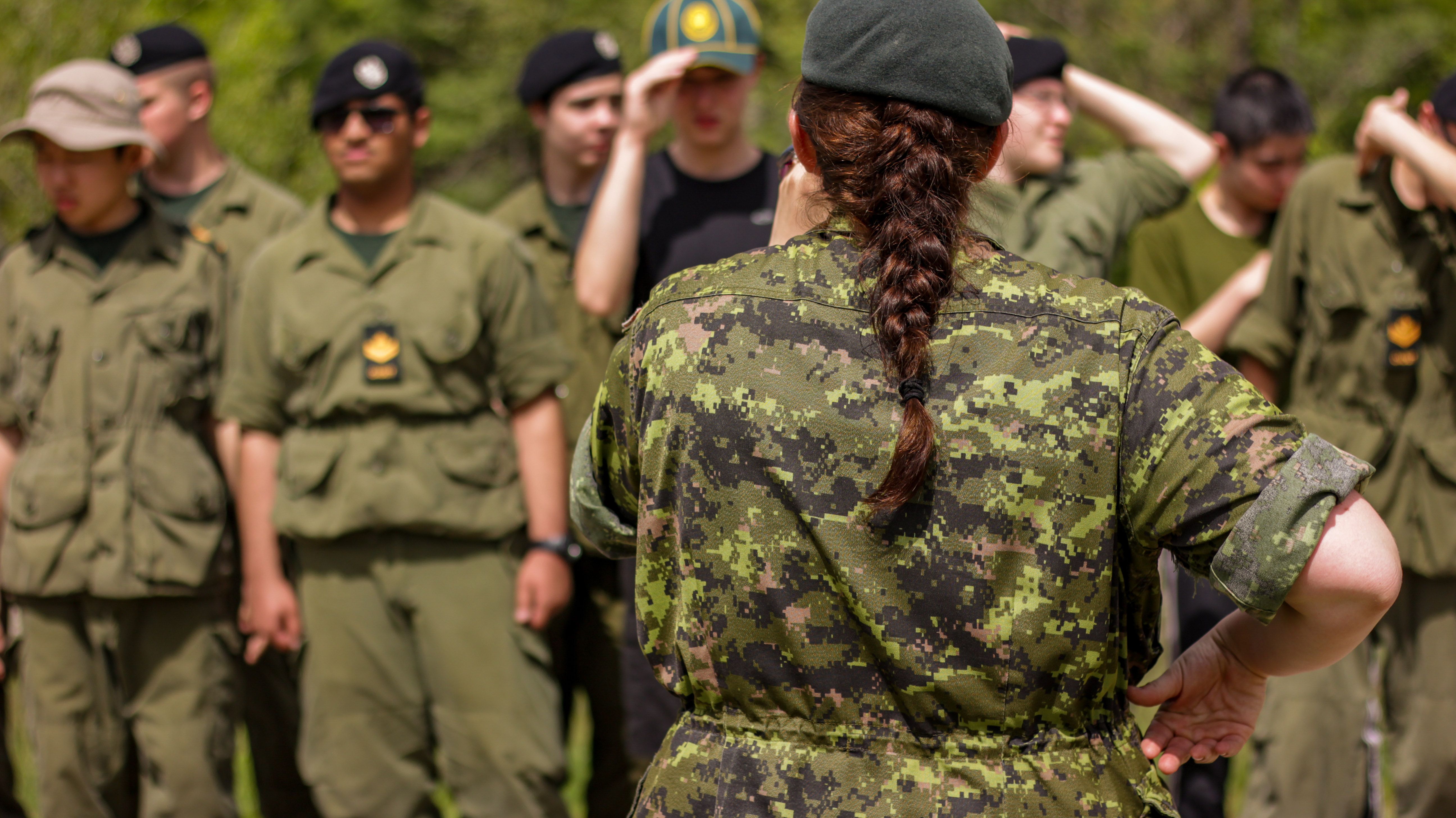
That's the situation one of our athletes found herself in while preparing for the Canadian Armed Forces Basic Military Officer Qualification (BMOQ).
At 44 years old, she knew the physical demands of military training would be challenging. She would be training alongside candidates much younger than herself, including physically fit infantry candidates in their twenties.
She wasn't looking to simply scrape through.
She wanted to arrive confident, capable and physically prepared for what lay ahead.
But during her preparation, things weren't going quite as planned.
When Your Body Isn't Cooperating With Your Goals
We'd spent the better part of a year developing her strength, conditioning and running capacity.
Running was particularly important because it was something she'd struggled with for years.
She hadn't considered herself a good runner since high school, and if given the choice, she would have happily spent more time lifting weights and less time doing cardio.
Unfortunately for her, military training doesn't revolve around what we enjoy doing most!
As we progressed her running, she began experiencing persistent shin splints and other lower-leg symptoms that interfered with her training.
What started as a physical setback became an increasingly frustrating situation.
She had a course to prepare for and standards she wanted to achieve. Every interruption made it harder to feel confident that she would be ready.
Eventually, she began questioning whether she'd even be able to attend.
And that's something I think many people can relate to.
When you've committed so much time and effort to a goal, a setback doesn't just affect your training. It can make you question whether everything you've worked towards is slipping away.
Especially when the date you're preparing for isn't going to move simply because your training hasn't gone to plan.
The Answer Wasn't More Running
When progress stalls, it's tempting to think we need to work harder.
Struggling with running? Run more.
Not feeling fit enough? Add another conditioning session.
But when training itself is aggravating a problem, continuing to increase the workload can become counterproductive.
In her case, we needed to adjust how much running she was doing.
We reduced her aggravating running volume and incorporated more targeted calf strengthening and ankle mobility work.
This included exercises to develop the capacity of the lower leg, rather than relying on stretching alone.
As symptoms allowed, we gradually rebuilt her running volume and tolerance.
At the same time, we continued developing her overall fitness through strength training and bodyweight AMRAPs.
Those sessions allowed her to keep working on muscular endurance and conditioning while managing how much stress we placed on her lower legs.
The objective was never to complete the most training possible.
It was to arrive at BMOQ physically prepared.
Sometimes, getting closer to that goal means temporarily doing less of one thing so you can continue progressing overall.
Progress Doesn't Always Happen in a Straight Line
One of the more challenging parts of preparing for an important event is accepting that the original plan might need to change.
She was motivated, willing to work hard and wanted to succeed.
But motivation alone wasn't going to resolve the problems limiting her running.
We had to pay attention to what was happening, make adjustments and build from where she was.
That meant being patient with her running progression while continuing to develop the physical qualities she would need on course.
It also meant keeping the bigger picture in mind.
A difficult week of training didn't erase the previous months of work.
And needing to adjust the program didn't mean she had failed.
The goal remained the same. We simply needed a different route towards it.
Over time, her running improved, her conditioning developed and she became increasingly prepared for what was ahead.
From Questioning Whether She'd Make It to Holding Her Own
When she finally arrived at BMOQ, the work she'd put in showed.
The woman who hadn't considered herself a good runner since high school arrived at the very top of the moderate running tier.
She was able to ruck long distances without problems.
And when it came to pull-ups, she was consistently performing exceptionally well.
But perhaps the most meaningful achievement was how she felt about her own performance.
She wasn't simply surviving alongside younger candidates.
She was holding her own and, in some situations, outperforming them.
As she put it:
"Generally being strong in all the right ways: as a 44 year-old woman, compared to pretty fit guys in their 20s - not only keeping up but keeping ahead - that was priceless."
Think about the difference between those two moments.
At one point, she was frustrated and worried that her physical limitations might prevent her from attending the course.
Now she was there, performing well, completing the physical demands and feeling genuinely proud of what she could accomplish.
For someone who'd previously struggled with running, arriving as a capable runner was a particularly meaningful achievement.
Not because she suddenly became the fastest person on course.
But because she had worked towards something she'd previously doubted she could achieve.
The Part That Matters Beyond BMOQ
One of my favourite things from her feedback was hearing that she still performs the bodyweight AMRAP workouts we used throughout her preparation.
She's continued incorporating them into her own training because she enjoys them and understands their value.
To me, that's an important part of successful coaching.
It's not just about helping someone achieve a single result.
It's about helping them develop the knowledge, physical capabilities and confidence to continue progressing independently.
Her journey wasn't perfect.
There were setbacks, frustration and moments of uncertainty.
But those moments didn't define the outcome.
Through consistent work, adjustments to her training and a willingness to stay focused on the bigger goal, she arrived prepared for something she'd once feared she might not be able to do.
And now?
She's back for more.
Sometimes the most meaningful result isn't the number you lift, how fast you run or how many pull-ups you complete.
It's looking back at something you once doubted you could do and realizing just how capable you've become.
Nat Galloway
Coach, Master Athletic Performance