How much should my bodyweight realistically fluctuate? The MAP Team
How much should my bodyweight realistically fluctuate? The MAP Team
How much should my bodyweight realistically fluctuate?
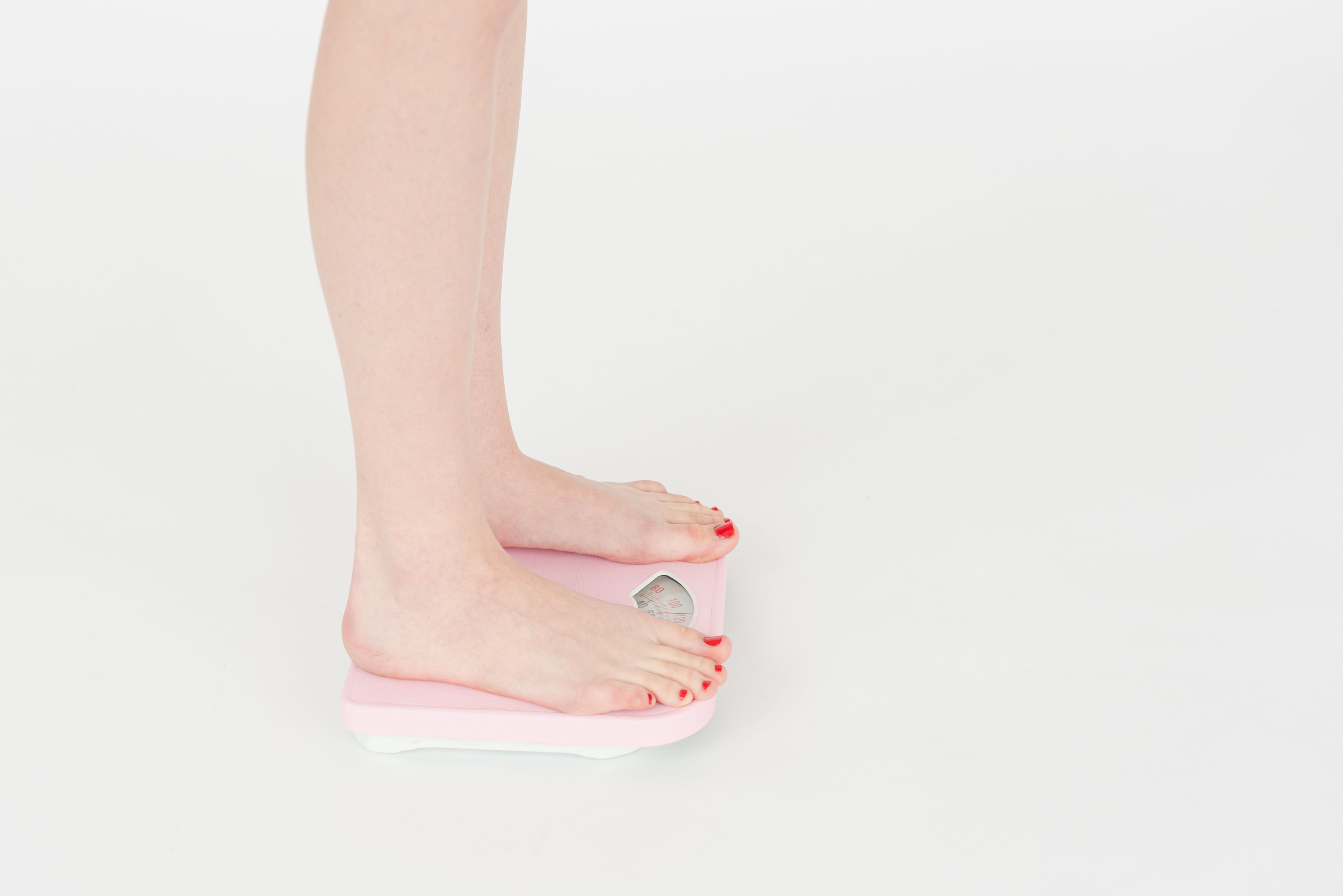
Bodyweight fluctuation is normal. Reacting to it as though it isn't is where most people go wrong. We put the question to the MAP coaching team to hear how each of them thinks about it.
Paul
This is a really interesting question because it calls into consideration what we're really looking at. Your body weight will fluctuate regardless of how consistent you are, simply due to a number of lifestyle variables. That is not a good nor a bad thing. It's just a thing, and it's very highly individual.
Typically, the larger the individual, the more drastic the swings can be, but taken in relative terms, it's around the same percentage of total body weight. Most day-to-day fluctuations are going to be due to hydration and the volume of food within the GI tract. This variance can be upwards of 1-3% of total body weight.
When it comes to weight loss or weight gain, you are not going to gain or lose body fat in a single day. Mathematically, it's simply impossible. One pound of fat is equal to 3,500 calories, and no one is accumulating a 3,500-calorie deficit in a single day. However, over the course of a week, you most certainly can.
This is why, rather than obsessing about day-to-day body weight fluctuations, we want to look at the weekly average body weight and ensure that it is trending in the right direction. By looking at the weekly average, we can see the signal through the noise of the daily fluctuations and make better decisions for long-term progress. Not to mention, it takes your focus off the scale and puts your focus back where it belongs: on the habits and structure of your day-to-day.
Olivia
It depends on how consistent you are day to day and throughout the week. Someone who is highly consistent with fluid intake, electrolytes, bowel movements, food intake, digestion, training, and sleep will see smaller swings, maybe one to two pounds across a week.
That level of consistency isn't the reality for most people. Once you start introducing variables, even a single meal eaten out can make fluctuations of five pounds or more completely normal. Travel, flying, menstrual cycle, stress, and sleep disruption are all variables I regularly see cause swings of 1 to 5 pounds on their own.
Claire
More than you probably think, and that's completely normal. Day-to-day body weight fluctuates based on sodium and carbohydrate intake, hydration, digestion, stress, and, if applicable, where you are in your cycle. A higher number on the scale does not automatically mean fat gain. Actual fat gain accumulates slowly over time, not overnight.
Rather than reacting to a single weigh-in, track weekly averages and use those to assess the overall trend. That's the data point worth paying attention to.
Carly
This has to be the annoying "it depends" answer. Everybody is so very different, and fluctuations will happen. Women tend to experience fluctuations depending on where they are in their menstrual cycle, but factors like travel, stress, and recovery can always be variables. Realistically, we shouldn't see major swings, as they can indicate something else is going on behind the scenes.
Small shifts will account for the variables I mentioned, which is why seeing body weight as an average is best. If you look day-to-day, it may seem like more is happening, while weekly/monthly can show a bigger picture of where bodyweight is trending.
Nat
Bodyweight is not a precise day-to-day measure of progress. It moves based on water, sodium, carbohydrate intake, hydration, stress, sleep, training soreness, and what is literally sitting in your digestive system when you step on the scale. A noticeable drop can happen simply from using the bathroom, which means a random spike or dip on any given morning doesn't automatically mean anything worth reacting to.
For someone with a very consistent routine, daily swings might be relatively small. For most people, a few pounds in either direction over the course of a week is entirely normal, and larger jumps after a salty meal, a day of travel, or a hard training session are expected.
The way to track progress without letting the scale dictate your mood is to stop reacting to individual weigh-ins and focus on weekly averages instead. If that average is trending in the right direction, progress is happening regardless of what any single morning looks like.
Jaden
How much bodyweight fluctuates depends on body size and sex. More muscular individuals tend to see smaller swings, typically within one to two pounds most weeks. For women, this range is often tighter, given generally smaller body mass, while men may see swings of two to five pounds. For individuals carrying more body fat, particularly during a fat-loss phase or after eating off-plan, fluctuations can reach 10 pounds or more. Understanding your own baseline range is more useful than comparing your numbers to anyone else's.
Stay Strong,
Paul Oneid, MS. MS. CSCS
Founder and Head Coach